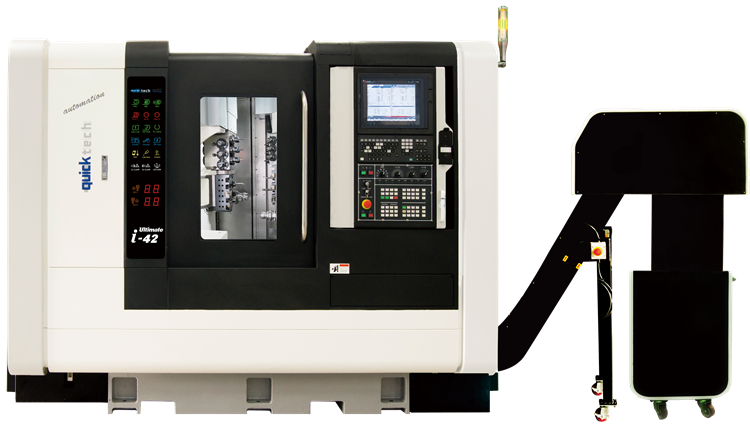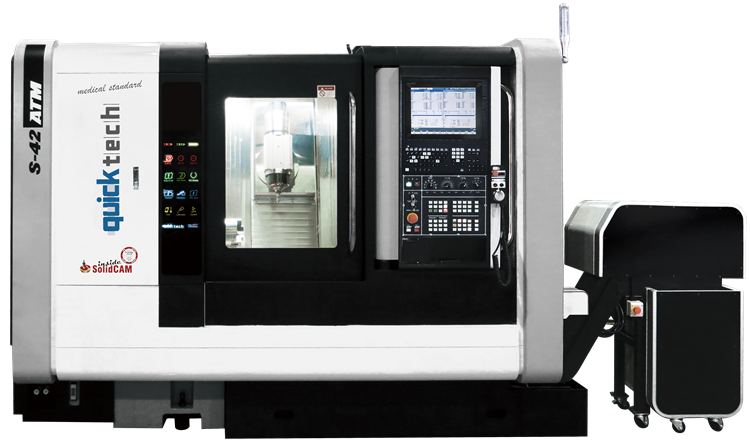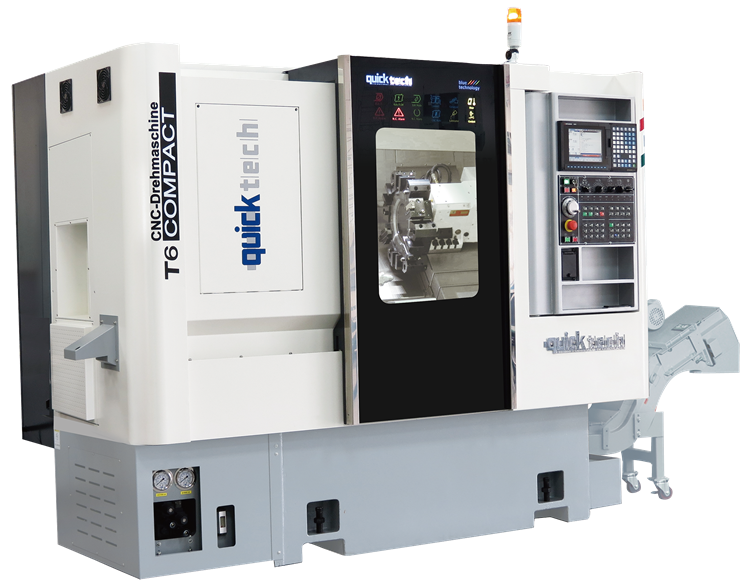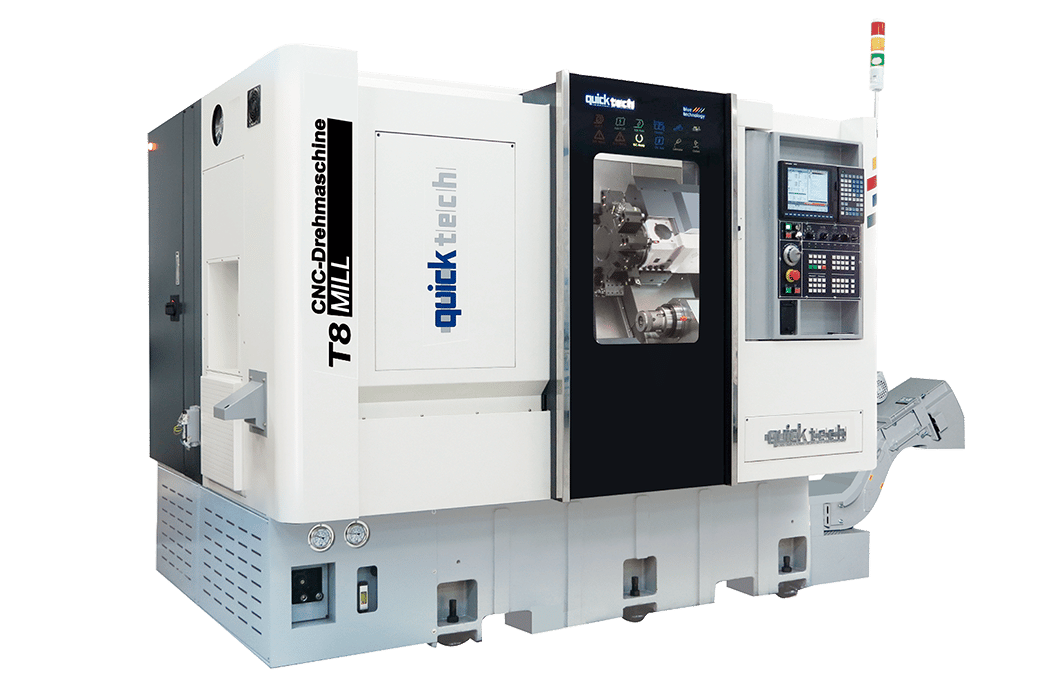
Frequently Asked Questions About Mill-Turn Machines
Why use a CNC turning and milling machine?
A CNC turning and milling machine is a computer-controlled machine that can be used to create precision parts. The machine is operated by a trained operator who feeds it a program that tells it how to shape the piece of material. The CNC turning and milling machine can create highly accurate and repeatable results, making it an invaluable tool for manufacturers. In addition, the machine can be used to create parts with complex geometry that would be difficult or impossible to create with traditional machining methods. As a result, the turning and milling machine has become an essential tool for many manufacturers.
A CNC turning milling machine can offer many benefits over a traditional machine. For one, it can be programmed to perform a variety of tasks, meaning that it can be used for a wide range of projects. Additionally, CNC machines are highly accurate, meaning that they can produce consistent results. Finally, CNC machines are relatively fast, meaning that they can increase productivity in a workshop setting. Consequently, a CNC turn center or CNC mill center can be an essential piece of equipment for any business that relies on precision manufacturing.
A CNC milling and turning machine can be a great asset to any business that relies on machining for their production process. There are many benefits, including the fact that they are very precise, repeatable, and fast.
In addition, these machines can be programmed to produce very intricate results that would be difficult or impossible to achieve with traditional machining methods. As a result, businesses that invest in CNC technology can reap significant rewards in terms of increased productivity and improved product quality.
What are the basics of CNC milling and turning?
CNC milling and turning are two of the most common CNC machining processes. CNC milling involves using a rotating cutting tool to remove material from a workpiece. CNC turning, on the other hand, uses a non-rotating cutting tool to shape a workpiece. Both milling and turning can be performed on a variety of materials, including metals, plastics, and composites. In general, CNC milling is better suited for creating flat surfaces, while CNC turning is better suited for creating cylindrical shapes. However, both processes can be used to create a wide variety of shapes and geometry.
How does a CNC turning milling machine work?
CNC turning and milling machines are computer-controlled tools that are used to create precise, intricate parts for a variety of industries. The machines work by using a rotating cutting tool to remove material from a workpiece. The turning process is used to create cylindrical parts, while the milling process is used to create flat or irregularly shaped surfaces. Both processes can be performed on a variety of materials, including metals, plastics, and composites.
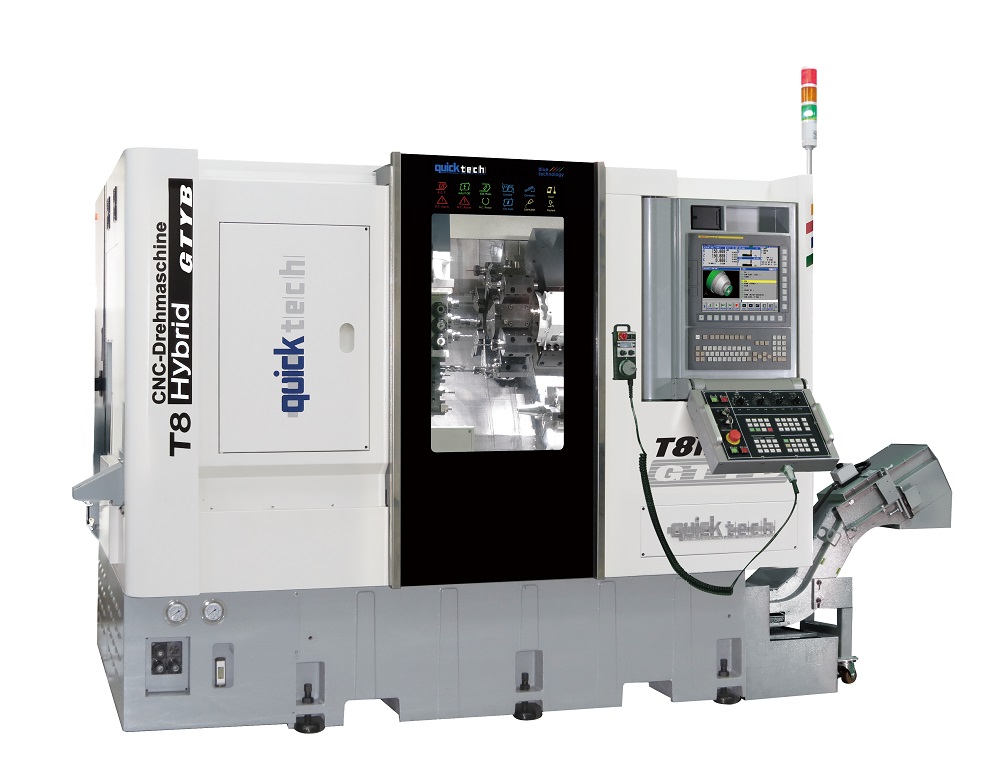
A turning and milling machine combines the functions of a lathe and a mill. These machines are typically used to produce small, intricate parts such as those used in the electronics or medical industries.
To create a part, the turning and milling machine first starts with a block of material known as a workpiece. The machine then uses a variety of tools to remove material from the workpiece, shaping it into the desired shape. The turning process involves rotating the workpiece while cutting tools are used to remove material. The milling process, on the other hand, involves moving the workpiece past a rotating cutting tool. Both processes can be performed simultaneously on a turning and milling machine, allowing for greater efficiency and accuracy.
They are capable of producing extremely precise parts, making them an essential tool in many manufacturing industries. In addition to being more precise than manual turning and milling methods, CNC machines can also produce parts faster and with less waste. As a result, CNC turning and milling machines have become an essential part of manufacturing operations around the world.
What industries use a CNC machine for milling and turning?
CNC turning and milling machines are used in a variety of industries to create precision components. Automotive, aerospace, and medical manufacturers use CNC machines to create engine parts, drive shafts, and surgical instruments.
For example, aerospace companies use CNC machines to create parts for airplanes and satellites. Automotive companies use CNC machines to create parts for cars and trucks. Medical companies use CNC machines to create implants and prosthetics. In the electronics industry, CNC machines are used to produce circuit boards and other components.
Even the food and beverage industry relies on CNC technology to create packaging and cans. As you can see, CNC turning and milling machines are an essential part of many different industries. Without them, many products would simply not be possible.
What is the biggest advantage to a using mill-turn machine?
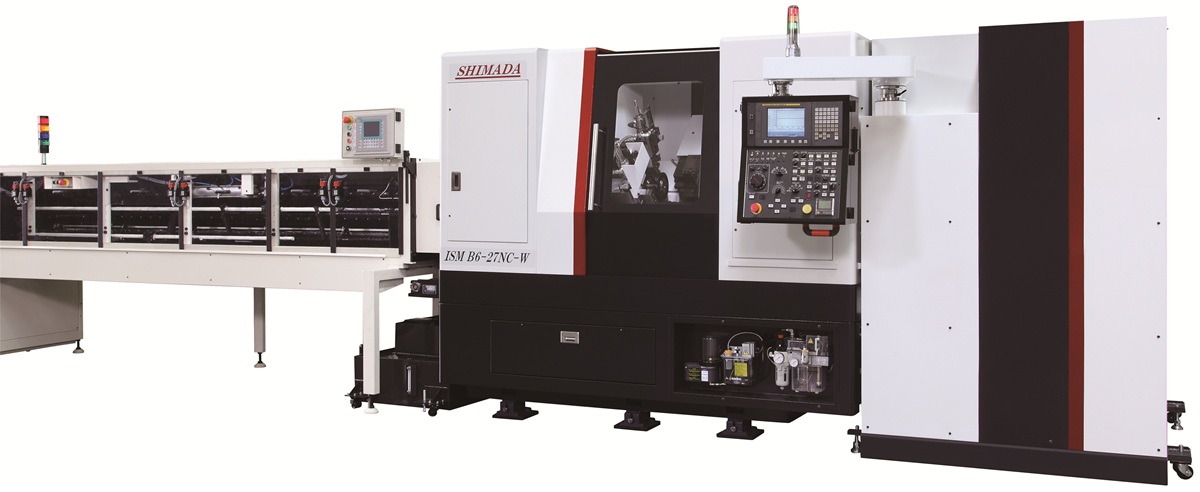
The advantage is that a mill-turn center is equipped with both an upper and lower tool turret. Both turrets can be used simultaneously to cut on the part at the same time, ultimately reducing cycle time and increasing throughput.
However, as wonderful as this may sound, it can also be a problem. Each tool turret gets its own program. The turrets need to know what the other turret is doing so they don’t get in the way of each other and cause a crash.
What type of parts is a CNC mill-turn center best used for?
Any part that requires both a milling operation and a turning operation. It is more efficient to drop parts complete using one machine than having to remove the part only to re-chuck it in another machine to cut additional operations. This saves a tremendous amount of cycle time, money and labor, and improves efficiency and part quality — all of which adds profits to a company’s bottom line.
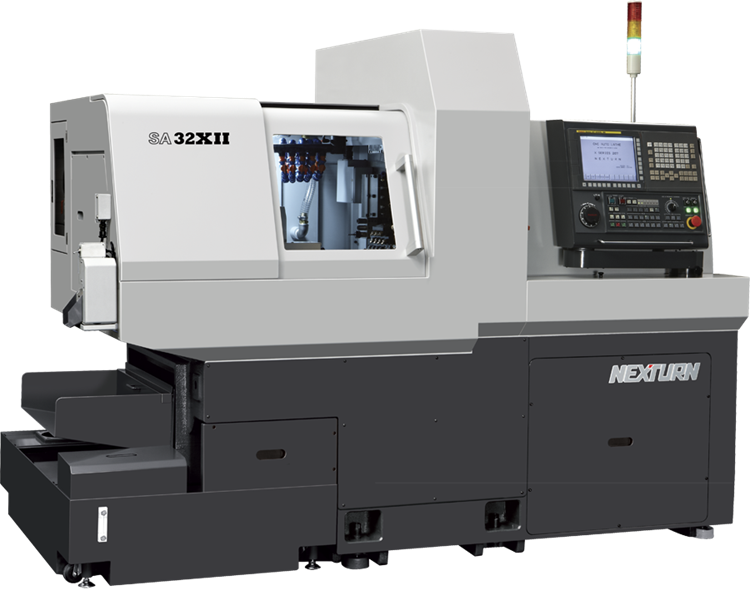
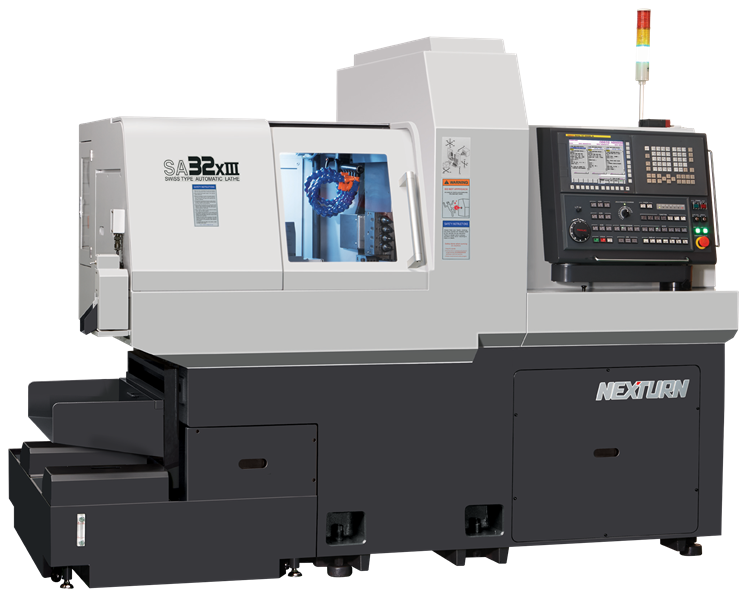
For small-diameter precision parts under 32mm, CNC Swiss lathes may be a more cost-effective option for high-volume production runs.
What type of different milling operations can be performed on a mill-turn center that can’t be done on a standard mill?
Now this is a good question and is where mill-turn gets its name and earns its advantages. Most of the same milling operations that can be done on a standard vertical machining center can be done on a mill-turn center. The advantage to a mill-turn center is that it can hold a round part. A mill can as well, but not as easily, so fixturing may be needed. Another advantage is set-up time. Setting up one machine opposed to two different machines to perform different operations give the mill-turn center a huge advantage. Polygon milling, Y-axis milling, gear hobbing, involute milling, engraving and drilling (off-center and OD), are all operations that can be performed on a mill-turn center that can’t be performed on a standard milling machine.
What types of different turning operations can be performed on a mill-turn center machine?
All the turning operations that can be performed on a horizontal turning center or standard lathe can be done on a mill-turn center machine. A mill-turn center doesn’t necessarily gain production over a standard turning center, but the same operations can be done. However, there is one singular obscure advantage and that is that most true mill-turn centers have a tool changer so the number of tools that are available is substantially higher than on a standard lathe or turning center.
What do you suggest to customers running typical 2-axis lathes and 3 or 5-axis mills?
Often manufacturers are cutting parts one or two more axes to drop complete. For shops already comfortable with simultaneous multi-axis contouring, our 5-axis CNC machines offer another path to done-in-one machining for prismatic and sculptured parts. If that customer would be open to learning just a couple more axes, they will begin to garner the skills it takes to operate a CNC mill-turn center safely and efficiently.
Are mill-turn center machines more expensive than a typical mill or lathe?
The answer is yes and no. Today, you can get a 3-axis mill for under $70K, and the same goes for a standard 2-axis lathe. However, if a heavy-duty mill or lathe is required, or a buyer begins to add many different options to the machine, that’s when metal cutting manufacturers need to start exploring a CNC mill-turn center.
For what the machine is capable of doing, a mill-turn center is worth the investment because it ultimately saves money by not having to purchase two machines that once again limit the company’s metal cutting capabilities. Investing in a CNC mill-turn center opens the door to bid for more complex work, adding additional revenue streams that positively affect the company’s bottom line. For a broader look at Absolute’s full production turning lineup — including Swiss lathes, mill-turn centers, and multi-slide screw machines — visit our precision CNC machines overview.
How do you know if a part is better cut on a CNC mill-turn center rather than using both a standard mill and lathe?
At Absolute Machine Tools, our application engineers’ first step in determining which machine would be best suited to cut a particular part, is analyzing the size the part is to be machined down to. If the part is very large, then it cannot be cut on a mill-turn center machine because they are not made for hogging vast amounts of material off a blank. For large-diameter turned parts like flanges, rings, or energy-sector components, a vertical lathe with live tooling may be a better fit.
Next, the team reviews the different types of metal cutting functions that need to be implemented to cut the part complete. Ultimately, it is the responsibility of the distributor to recommend the best machine to accomplish this task. What is best for a customer must be validated with facts to prove the recommendation is in the best interest of the manufacturer. Then, it is up to the end-customer if they want to make changes.
Throughout this process, it is imperative that the manufacturer trust the distributor’s recommendations. In the case of Absolute Machine Tools, our applications engineering team always presents the best cost-effective solution possible, because if we didn’t, then the manufacturer may never consider us again. It’s important to remember Absolute Machine Tools gets hundreds of part prints each year to evaluate, figure time studies and conduct prove-outs. Our applications engineers have seen it all, cut it all, and truly understand the capabilities of our CNC machine tools inside and out.
How can automation play a role in the use of CNC mill-turn centers?
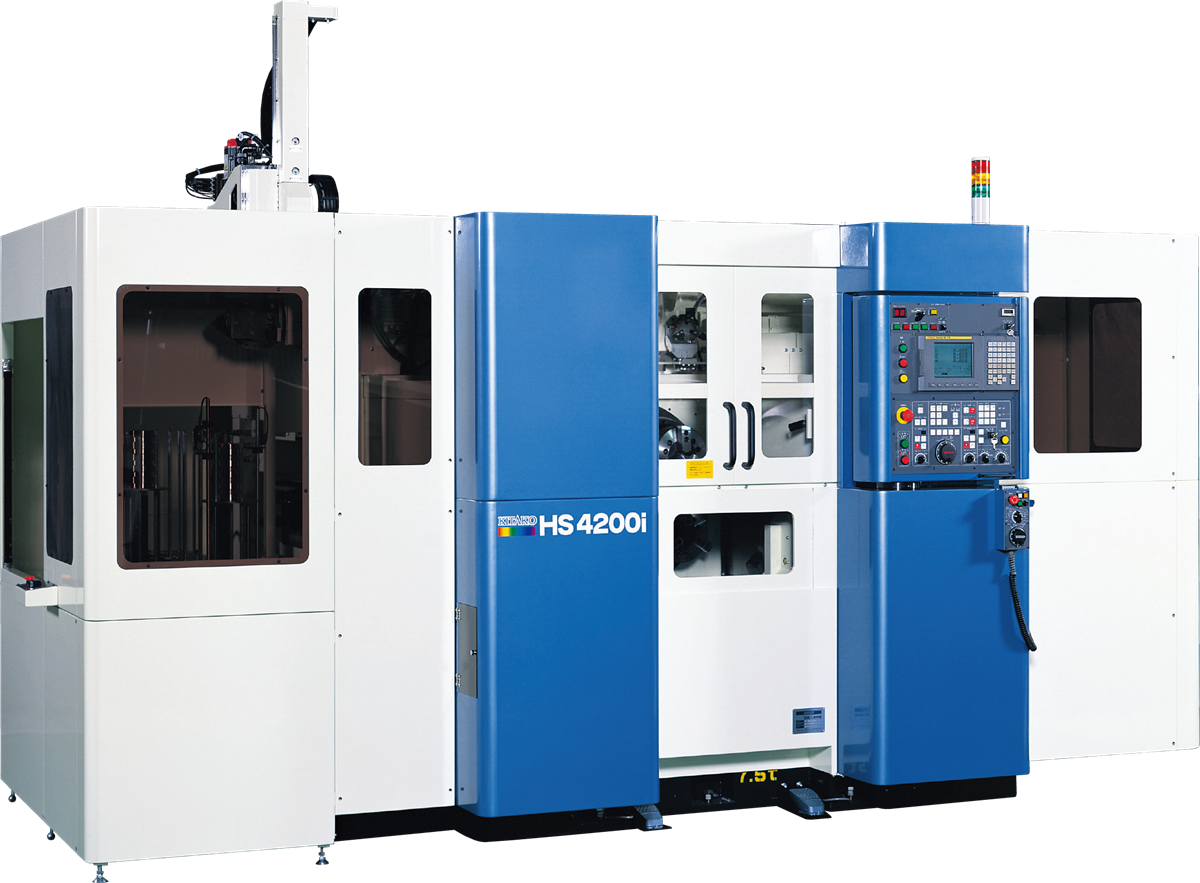
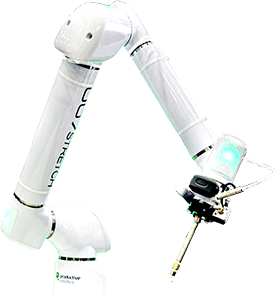
One CNC machine doing multi-cutting functions, such as a mill-turn center, is one of the first steps in automating — taking two machines and combining them into one to accomplish the same result. Adding a bar feeder to that machine exponentially increases production and efficiency for maximum throughput. However, if operators are manually loading blanks into the CNC mill-turn center rather than bars, then using a collaborative robot such as OB7 would be far more efficient both in throughput and ROI.
Shops that allow themselves the opportunity to embrace more efficient cost-effective metal cutting solutions will not have to worry about the current skills gap because they will require less manpower to produce the same amount of throughput and much much more.
What do customers look for when choosing the right CNC mill-turn center?
The size of the part is the most important thing to consider when choosing the right mill-turn center. Most mill-turn spindles are 42mm, 51mm, 65mm and 80mm. After choosing the right spindle size, then consider if the machine has enough tooling capacity to make the part. Finally, take into consideration what other parts can be made and if the machine fits the bill for expanding the company’s capabilities to quote additional more complex jobs in the future.
Is there a material that cannot be cut on a CNC mill-turn center machine?
No. All materials that can be cut on any mill or lathe can be cut on a CNC mill-turn machine, including plastic, brass, steel, stainless, titanium and cast iron, just to name a few.