Aerospace
Industry

Aerospace Manufacturing Solutions

Machining Aerospace Aluminum, CFRP & High-Tensile Alloys

Absolute Machine Tools provides advanced CNC machining solutions designed to meet the rigorous demands of the aerospace industry. From lightweight aluminum and CFRP structural components to high tensile materials such as titanium, Inconel, and other superalloys, our machines deliver the precision, reliability, and efficiency that aerospace manufacturers require to stay competitive in a global market.

Benefits for Aerospace Manufacturers

  • High accuracy & repeatability for mission-critical components such as engine casings, landing gear, and aerospace structural parts.
  • Capability to machine high tensile alloys (titanium, Inconel, superalloys) as well as aluminum and CFRP composites.
  • Ultra-fine surface finishes that reduce downstream polishing and improve aerodynamic performance.
  • Cycle time reduction with multi-axis machining centers that consolidate operations and minimize setups.
  • Reliability and uptime backed by Absolute’s nationwide service, applications engineering, and parts support.
  • Net-shape part capability that helps aerospace OEMs and tier suppliers cut lead times and boost profitability.

Learn more about the critical role machine tools play in the aerospace industry.

Core CNC Solutions for Aerospace

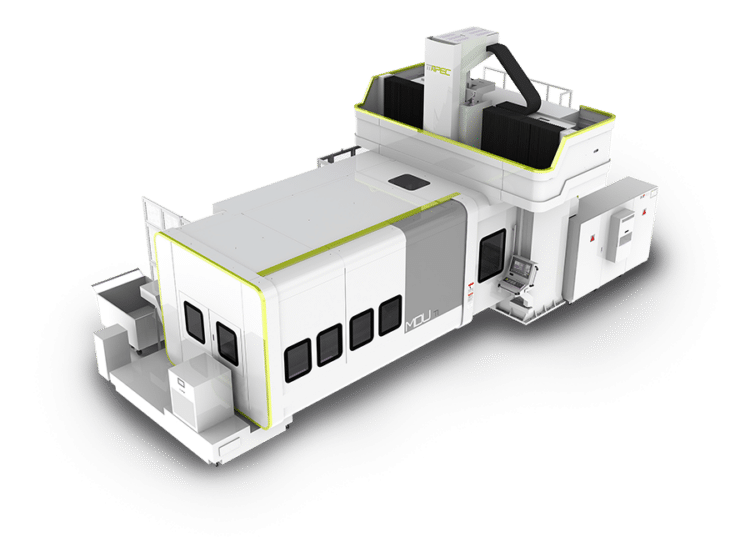
5-Axis & Extra-Large Format Machining (APEC)

  • APEC gantry and bridge-type machining centers built for oversized aerospace structures: wing spars, bulkheads, fuselage panels, and engine cases.
  • Proprietary force-flow design: U-shape for heavy-duty titanium and Inconel cutting, box-in-box for high-speed aluminum and CFRP contouring.
  • Ultra-long travels and large-format capacities unmatched for aerospace structural machining and tooling.

Vertical Turning Lathes (You Ji)

  • You Ji VTLs designed for large round aerospace components such as turbine casings, landing gear parts, and engine housings.

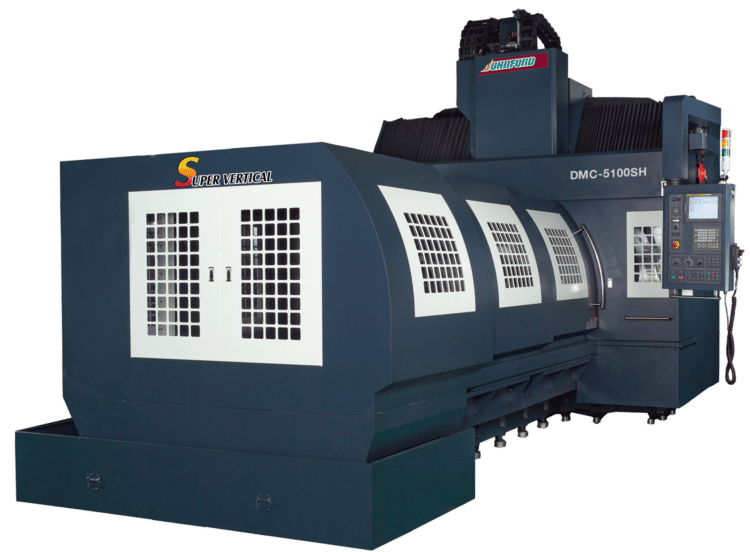
Bridge Mills for Aerospace Tooling (Johnford)

  • Johnford double-column bridge mills for large aerospace fixtures, dies, and molds.
  • A proven solution when aerospace shops need rigidity and versatility for tooling and secondary machining.

Deep Hole Drilling & EDM Solutions

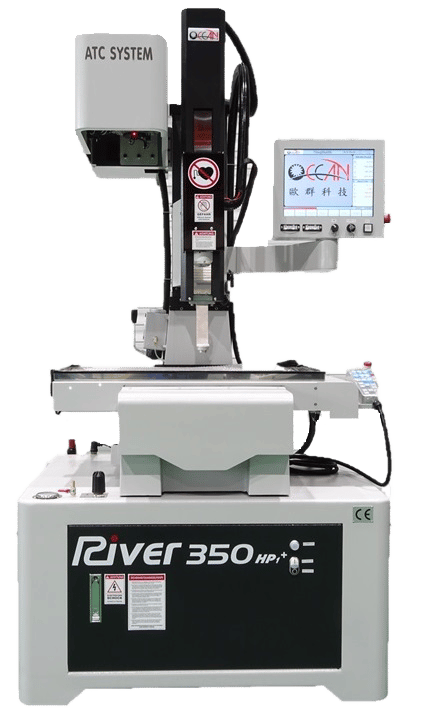
  • River 1000 EDM hole drilling for cooling holes in turbine blades and vanes.
  • AccuteX Wire EDM for precision machining of aerospace tooling, intricate features, and dies

Learn more about the history and evolution of deep hole drilling technology.
Machines

5-Axis Machining Centers

Moving Table and Sliding Column designs. These machines can be Customized to fit any application and can sometimes take up less floor space than equivalent C-frame verticals
Bridge Mills

Moving Table and Sliding Column designs. These machines can be Customized to fit any application and can sometimes take up less floor space than equivalent C-frame verticals
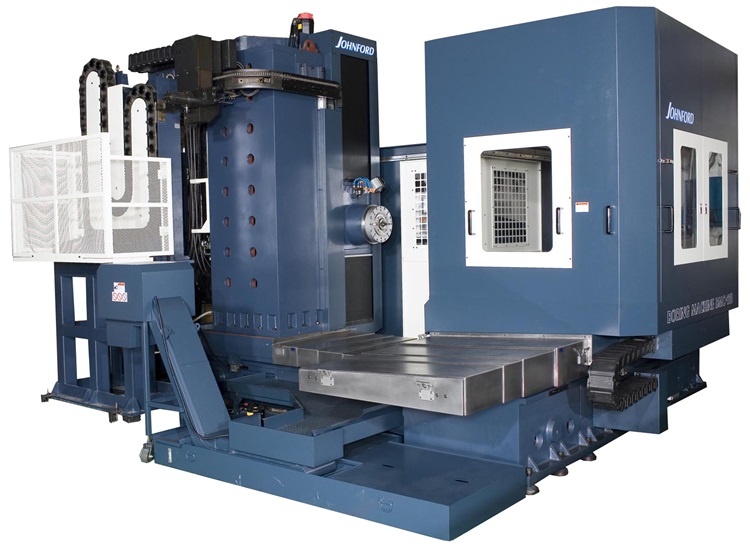
Boring Mills

Table and Floor Type Boring Mill models

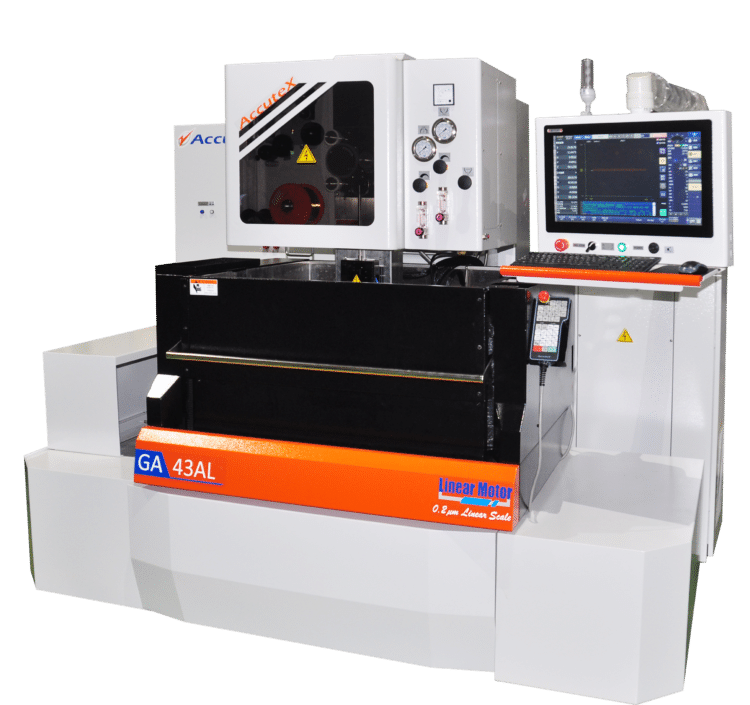
EDM Machines

Wire, Die Sinkers, Hole Drillers

EDM Drilling Machines

Precision Small Hole Drilling Machines

Gun Drilling Machines

Variety of Deep Hole Drilling machines for Micro Gun Drilling and large Shafts & Barrels, Single to 3-Axis models
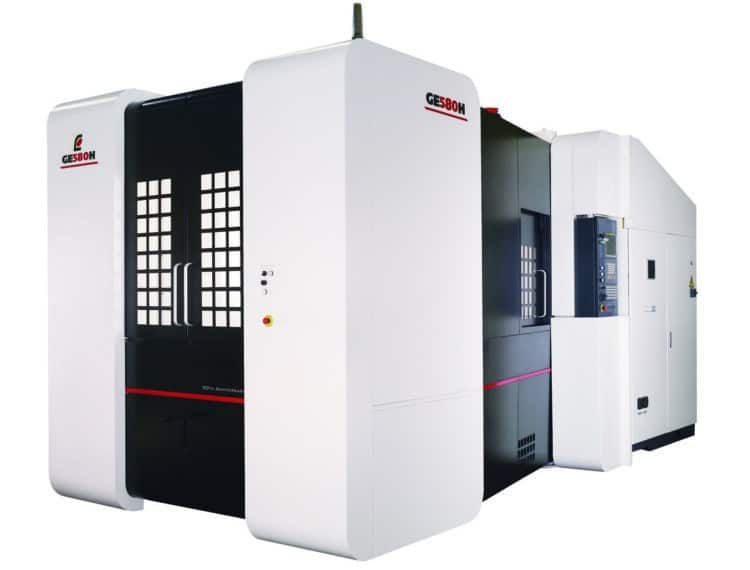
Horizontal Machining Centers

Combination Moving Column & Table-type designs, 4 – 5-Axes, 400mm – 2500mm Capacities, and True Independent Twin Spindle models
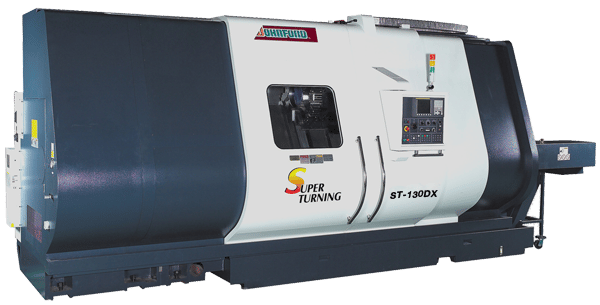
Lathes – Horizontal

6-10″+ Chucks with Sub-spindles, Multi-turret, Integrated Automation, Pallet-changers, Side-head machining, Y-Axes, and a variety of ATC model Lathes
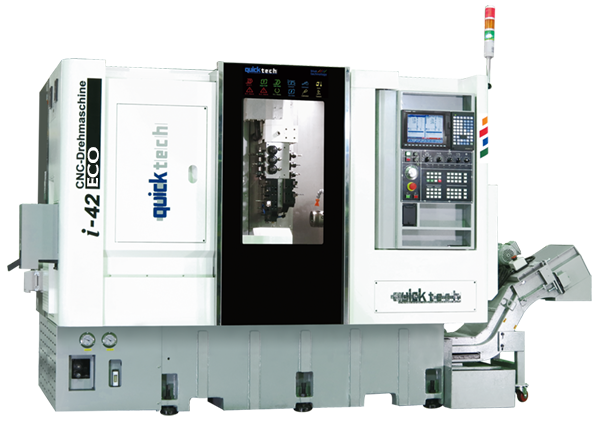
Mill-Turn Centers

Multi-Slide, Multi-Tasking, Multi-Axis Mill-Turn Centers for machining complex workpieces
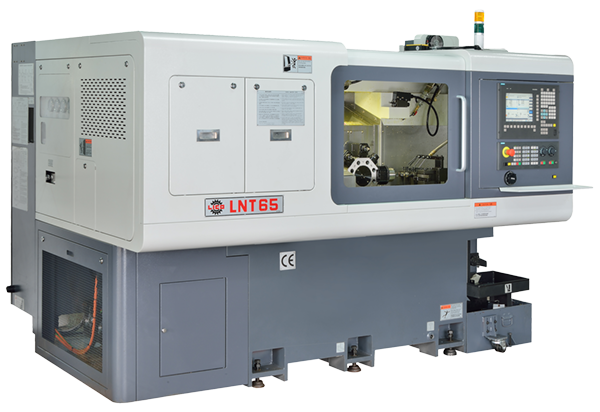
Screw Machines

11 & 12-Axis Twin Spindle, Multi-Slide Mill-Turn Centers and Screw Machines

Swiss Lathes

7-11 Axes, B-Axis configurations, Opposing Gang Tooling Systems, and Exchangeable Guide Bushing Swiss Lathes
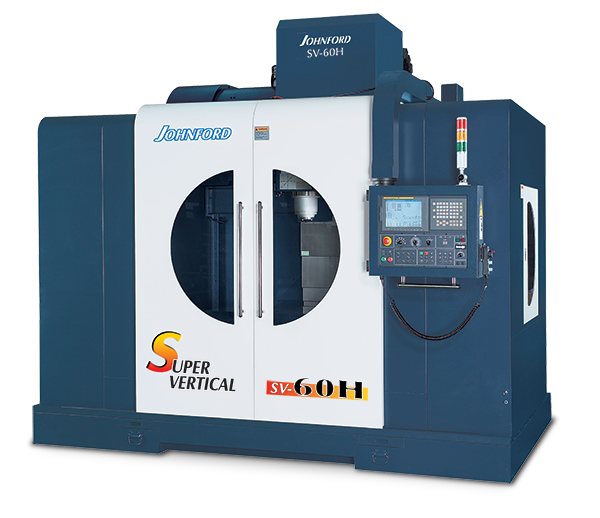
Vertical Machining Centers

3-5-Axis in 40 & 50 Taper and Twin Spindle models

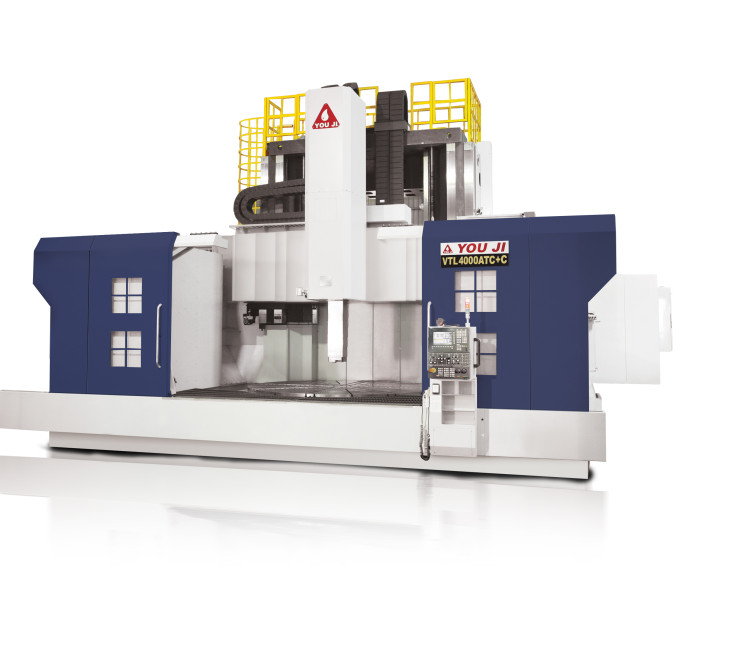
Vertical Turning Centers & Lathes

Automated Pallet Changers, Side-Head Milling, Mill-Turn, Fixed & Movable Rails, Y-Axes, and a variety of ATCs

Ideal Aerospace Applications

  • Aluminum structural parts: wing ribs, bulkheads, spars, seat tracks, frames.
  • CFRP components: fuselage panels, wing skins, doors, interior structures.
  • High tensile alloys: turbine engine casings, blisks, disks, landing gear.
  • Large-dimension tooling: aerospace molds, fixtures, assembly jigs, layup molds.
  • Precision details: cooling holes, slots, and contours required in jet engines.

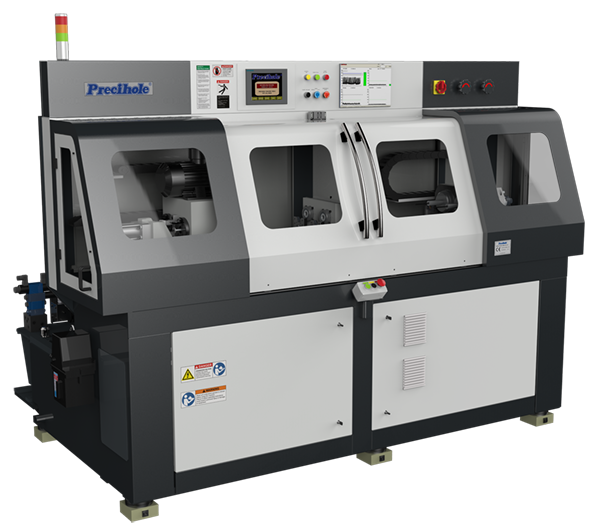
Aerospace Gun Drilling & Deep Hole Drilling

Aerospace components demand hole tolerances that conventional drilling can’t achieve. Cooling holes in turbine blades, hydraulic manifold passages, landing gear shafts, and fuel system components all require the depth-to-diameter ratios and surface finishes that only dedicated gun drilling equipment can deliver — often in exotic materials and hard superalloys where process stability is critical.

We supply Precihole gun drilling systems, the global leader in deep hole drilling and hole finishing equipment. Precihole machines maintain hole straightness, bore tolerance, and surface finish across length-to-diameter ratios of up to 200:1 — the kind of performance aerospace production demands. Whether you’re drilling precision cooling channels in turbine components or deep passages in landing gear forgings, Precihole has a solution engineered for the application.

For applications requiring material removal rather than solid drilling — large-diameter bores in structural components, for example — Precihole’s BTA drilling and trepanning capabilities extend the range of what’s achievable, all from the same trusted platform.

Horizontal Machining Centers for Aerospace

Horizontal machining centers are a natural fit for aerospace structural components — the horizontal spindle orientation evacuates chips away from the cutting zone, pallet changers minimize setup time between parts, and multi-sided access means complex brackets, housings, and structural frames can be completed in fewer operations.

We offer HMCs from three builders well-suited to aerospace work. The APEC HS series is purpose-built for aerospace and available in two configurations: the HS700 for mid-sized aluminum and light alloy components requiring high-speed contouring, and the HS1400 for large, heavy superalloy parts — with spindle torque up to 500 Nm and workpiece capacity up to 3.2 tons for titanium and Inconel structural work. Both can be integrated with pallet pools and linear pallet systems for lights-out production. Enshu’s GE Series brings Japanese precision and thermal stability to high-mix aerospace environments, with pallet sizes from 400mm to 630mm and high-torque spindle options up to 60 HP. For shops requiring large-format capacity, the Johnford AHC Series handles workpieces up to 10,120 lbs. with flexible automation configurations.

Swiss Lathes for Aerospace Components

Aerospace production relies on high volumes of small, precise components — fasteners, hydraulic fittings, connectors, and valve bodies — that demand tight tolerances and consistent surface finishes across every part. Nexturn Swiss-type CNC lathes, available in 7- to 11-axis configurations, are purpose-built for exactly this kind of work. The sliding headstock and guide bushing design supports the workpiece close to the cutting tool, delivering the concentricity and dimensional accuracy aerospace suppliers require. With a bar feeder included as standard and lights-out production capability, Nexturn Swiss lathes are a natural fit for aerospace tier suppliers running high-volume precision parts.

Why Absolute for Aerospace?

For decades, Absolute Machine Tools has partnered with aerospace OEMs and tier suppliers to provide cost-effective, engineered CNC solutions. Our portfolio combines global-leading machine tool technology with the local applications expertise and support needed to meet the industry’s uncompromising standards. Contact us today to learn more.

Frequently Asked Questions About CNC Machines for Aerospace

Aerospace shops typically run a mix of platforms because no single machine handles every part family well. A modern aerospace facility usually pairs a 5-axis CNC machine for complex contoured parts (impellers, structural brackets, ribs) with horizontal machining centers for high-volume engine casework on pallets, plus a vertical mill or large bridge mill for tooling and oversized structures. Round components like turbine cases, bearing housings, and landing gear cylinders move to vertical turning lathes or large turning centers, while EDM hole drilling handles cooling holes in hot-section parts and gun drilling produces hydraulic actuator bores. The right portfolio depends on what mix of airframe, engine, and accessory work the shop is targeting.

Four materials drive most of the equipment-selection conversation in aerospace. Titanium alloys (Ti-6Al-4V is the workhorse) and nickel-based superalloys (Inconel 718, Waspaloy, Rene) require high spindle torque, generous through-spindle coolant, and rigid box-way construction — APEC’s MT, MTH, GM and HS platforms are designed around those requirements. Aerospace-grade aluminum flips the requirement set: very high spindle RPM (often 20,000 and up), aggressive chip clearance, and dynamic stiffness against chatter, which is what the APEC SK and SKM gantry series target. CFRP composites are a separate problem entirely — abrasive dust degrades unsealed machines, and dimensional drift comes from temperature rather than cutting forces, so dedicated platforms like the APEC CM Series include integrated dust extraction and thermally stable structures.

Today’s airframe and engine parts are designed with undercuts, compound curvatures, and reference surfaces on faces a 3-axis spindle can’t reach without re-clamping. Every additional setup on a complex titanium fitting can introduce 0.0005″ to 0.002″ of position error that stacks across operations, and on a $40,000 forging that error budget evaporates fast. Holding the part once and tilting either the spindle or the workpiece eliminates that stack. The economic case is what drove OEMs like Bombardier (which adopted the APEC CM4050 5-axis gantry for composite structures) and Thyssenkrupp Aerospace UK (APEC G2560 and G3030 gantries for aluminum airframe work) to move structural part-making onto purpose-built 5-axis platforms rather than chaining setups across separate machines.

The crossover point usually arrives once a shop is running production volumes of small-to-medium aerospace parts — engine bracketry, gearbox housings, actuator bodies, accessory components. On an HMC, chips fall away from the cutter under gravity instead of recutting in the pocket, which extends tool life on titanium and superalloys substantially and improves bore finish on deep features. Tombstone fixtures with four to eight parts per face let one operator tend multiple pallets, and pallet-pool automation extends machine utilization into unattended shifts. Vertical machining centers still win for prototyping, very low-volume work, and large fixtures that won’t fit on a pallet — but for repeat aerospace production, HMC economics typically pay back the price premium inside 18 to 24 months.

Once a part exceeds roughly 80 inches in any direction — wing spars, fuselage frames, large mold bases, layup tooling, assembly fixtures — bridge mills and gantry-style 5-axis machines become the only practical option. For heavy steel and titanium tooling work, bridge mills like Johnford’s SDMC sliding-column series carry tables up to 236″ × 118″ with one-piece Meehanite cast-iron columns that resist deflection under heavy roughing. For high-MRR aluminum airframe machining, gantry 5-axis platforms (APEC G, SK, and SKM series) are designed differently — their U-shape or box-in-box castings are engineered to keep cutting forces flowing through the structure rather than transferring vibration into the foundation. The practical decision usually breaks on chip volume: gantries for high-speed aluminum, bridge mills for heavy alloy tooling and dies.

AS9100 (aerospace’s adaptation of ISO 9001) is the foundational quality system, but two others matter just as much: Nadcap accreditation for special processes (heat treat, NDT, EDM, surface treatments) and customer-specific approvals from OEMs like Boeing, Airbus, Rolls-Royce, Pratt & Whitney, and Bombardier. Machines themselves don’t carry these certifications — the shop does — but the equipment has to support the documentation chain. That means in-process probing routines, controllers that capture spindle load and override events for traceability, thermal stability that holds tolerance across an 8-hour run rather than drifting after part 50, and machine monitoring software (Absolute integrates Scytec) increasingly required by OEM auditors to prove uptime and process consistency.

Cooling holes in turbine blades, vanes, and combustion liners are typically 0.010″ to 0.040″ in diameter, several diameters deep, and drilled at compound angles into nickel superalloys that destroy mechanical drill bits. Small-hole EDM drilling solves all three problems simultaneously: the hole is eroded electrically through the workpiece, so material hardness becomes irrelevant and tool deflection on tiny drills is no longer a concern. A single high-pressure turbine blade may receive 30 to 80 cooling holes; multi-axis EDM hole drillers like the Ocean Technologies River 350 and River 1000 — when paired with an automatic tool changer — produce them lights-out from a single program. For larger but still deep-and-narrow features (hydraulic actuator bores, landing gear shafts), gun drilling on a Precihole platform is the typical alternative.

Anything with a swing larger than roughly 40 inches typically moves to a vertical turning lathe rather than a horizontal turning center — gravity helps with workholding and operator access on tall parts. You Ji’s VTC and VTL platforms cover chuck diameters from 8 inches up past 315 inches with optional live tooling, C-axis, and Y-axis, which lets a turbine case get its OD turning, face milling, and bolt-pattern drilling done in one clamping. The VHL Aircraft Series specifically adds a side milling head for landing gear cylinders, ring gears, and large bearing races. Smaller round work — actuators, hydraulic cylinders, smaller engine shafts — goes onto a horizontal turning center or mill-turn center with sub-spindle and live tooling, which collapses what would otherwise be 2 to 3 separate setups into one.

Swiss lathes are widely used in aerospace. The applications are fasteners, fittings, bushings, sensor housings, fuel system components, and small actuator parts — anywhere a long, slender component would deflect on a conventional lathe. Nexturn’s 7- and 8-axis Swiss platforms with B-axis tooling and exchangeable guide bushings let aerospace shops run complex, threaded, cross-drilled parts complete from bar stock with no secondary operations. The traceability angle is what often tips the buy decision in aerospace specifically: every additional setup on an AS9100-controlled part creates inspection, paperwork, and handling steps, so collapsing 3 to 5 ops into one done-in-one Swiss cycle compresses both lead time and quality cost.

A well-specified machine running aerospace duty cycles will typically deliver 15 to 25 years of production service — often longer if the casting and spindle are matched to the work. The biggest determinants are structural design (Meehanite cast iron with box ways outlasts welded weldments and linear rails on heavy titanium cuts), spindle selection (gear-driven boxes for low-RPM high-torque alloy work; direct-drive for high-RPM aluminum), thermal management, and how disciplined the shop is about coolant chemistry. Spare parts availability is the variable most aerospace buyers underweight at purchase: a machine with no parts pipeline becomes a paperweight in year 8. Absolute carries a 150+ machine inventory in the U.S. and a $20M+ parts stock specifically because a single day of downtime on a tier-one aerospace production line can exceed the cost of a year of preventive service.

Specify for the parts you’ll be cutting in 5 to 7 years, not the part on the engineer’s desk today — a machine sized for current programs often won’t accommodate the next-generation design with its larger envelope or harder alloy. Five practical filters worth running before any quote arrives: (1) does the work envelope cover your largest planned part with fixturing and tool clearance, (2) does the spindle’s torque-and-RPM curve actually match your dominant material under cutting load, (3) can the machine integrate with the pallet and robotic automation you’ll add later (not just what you can afford this year), (4) what are the realistic accuracy and thermal stability numbers under production conditions versus the brochure spec, and (5) what does the parts and field service infrastructure look like in your region. The last filter is the one most aerospace buyers underweight until the first time they need a $400 spindle bearing on a Friday night.

Videos

REQUEST INFORMATION

This field is for validation purposes and should be left unchanged.
Name(Required)
Company(Required)