

Tailstocks
TJR Tailstocks
Precision Workpiece Support for Rotary Tables and Indexers
TJR Precision Technology tailstocks provide rigid, reliable workpiece support for use with rotary tables and indexers. Designed for precision alignment and maximum stability, these tailstocks help manufacturers maintain cutting accuracy when machining long or heavy parts that require additional support during rotation.
Benefits for Metal Cutting Manufacturers
TJR Tailstock Solutions
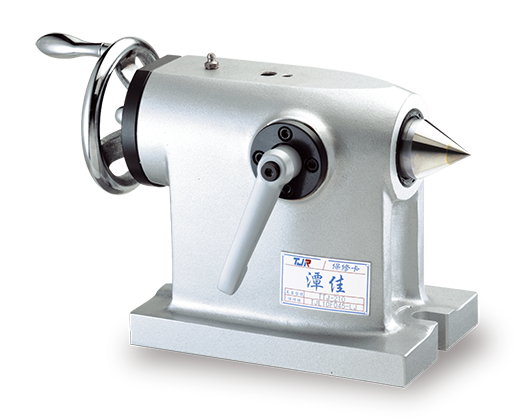
The TJ and TTJ Series manual tailstocks use a Morse tapered center to support long workpieces during rotary machining operations. The center can be easily adjusted forward or backward using a rear handle, making these models ideal for quick setup and precise alignment.
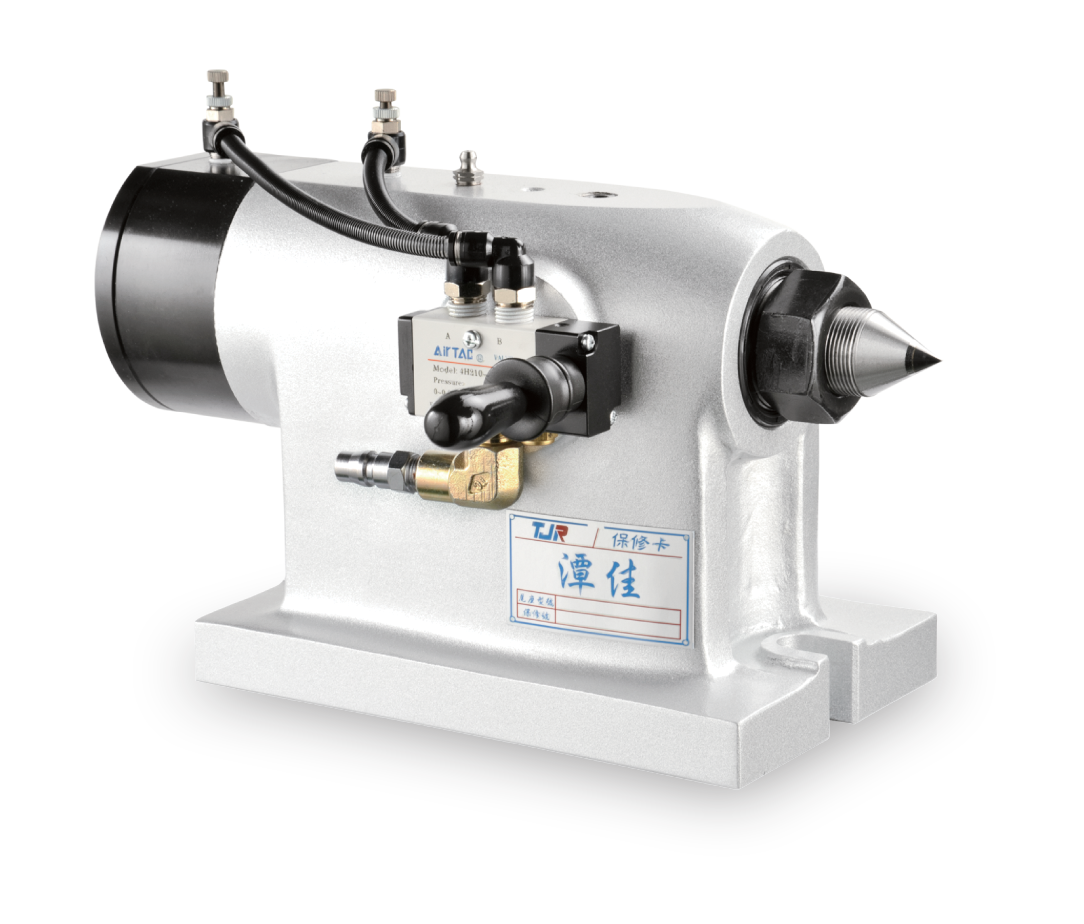
The ATTJ and HTTJ Series automatic tailstocks provide the same precise support as the manual versions but with pneumatic or hydraulic actuation. Their automatic engagement and release enable faster, more consistent operation for high-volume or automated production environments.
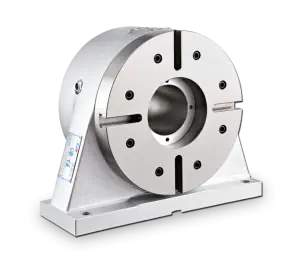
TJR rotary tailstocks deliver maximum rigidity for large or heavy workpieces, tombstones, or fixture plates. A pneumatic or hydraulic brake system securely locks the workpiece in place to ensure stability during machining, preventing unwanted movement or distortion.
Solutions from Absolute Machine Tools
As the exclusive North American importer and distributor of TJR Precision Technology products, Absolute Machine Tools provides full technical support, service, and spare parts for every TJR rotary table and tailstock. Our applications engineers are available to help select and integrate the right model for your specific machining requirements.
For assistance in selecting the proper TJR tailstock for your rotary table or indexer, contact Absolute Machine Tools today. Our team can help ensure your setup delivers maximum rigidity, precision, and reliability.