

Energy
Industry
Energy Industry CNC Machines
The energy industry relies on precision machining to manufacture critical components used in power generation, oil and gas exploration, and renewable energy systems. From large turbine housings and pump bodies to valve components and drilling equipment, these parts must be produced with exceptional accuracy and durability while machining difficult materials such as alloy steels, stainless steels, and hardened metals.
Absolute Machine Tools provides CNC machining solutions engineered to meet the demanding requirements of energy manufacturing. Our portfolio of heavy-duty machining centers, large-capacity turning platforms, deep hole drilling systems, and precision EDM technologies enables manufacturers to produce complex energy components efficiently while maintaining the reliability required for mission-critical applications.
Benefits for Energy Manufacturers
Machines
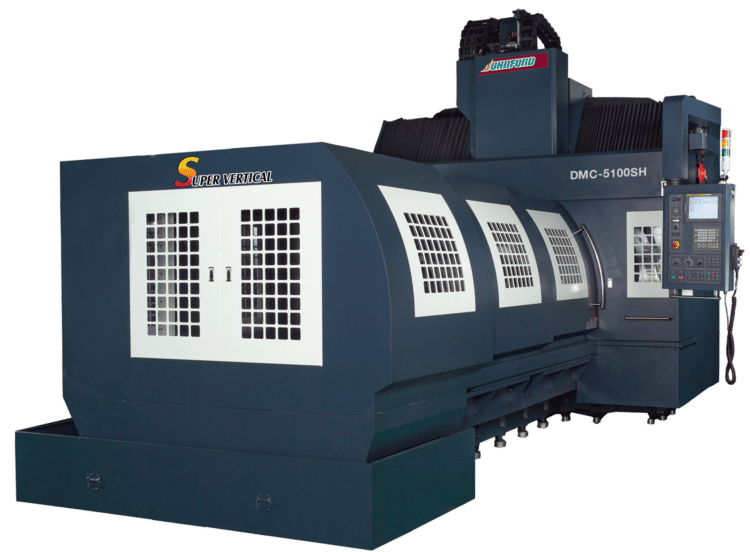
Moving Table & Sliding Column Designs. These machines can be CUSTOMIZED to fit any application and can sometimes take up less floor space than equivalent C-frame verticals
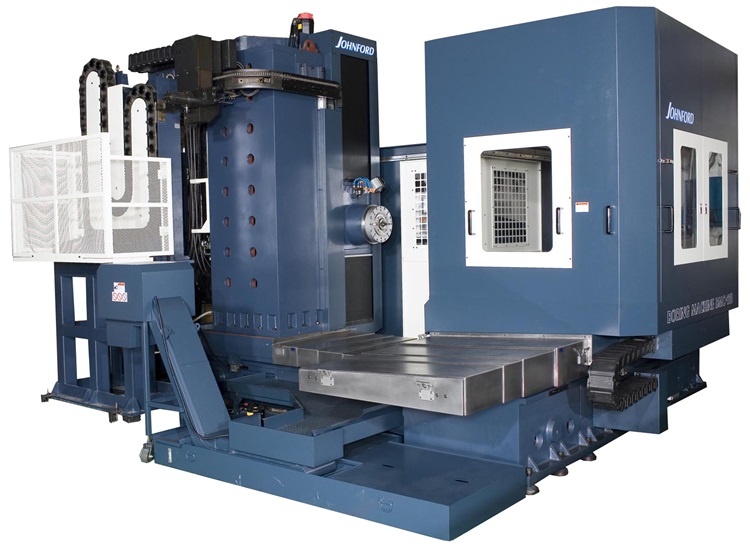
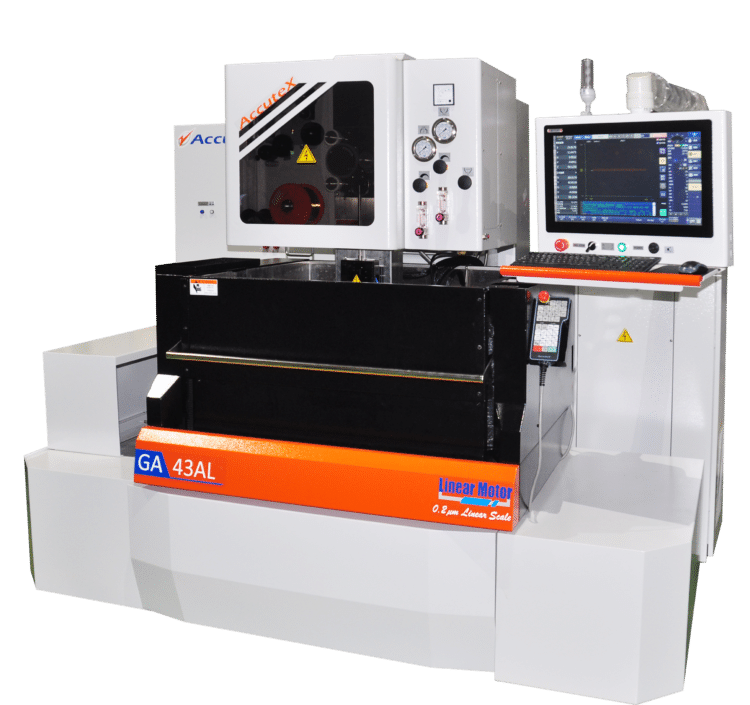
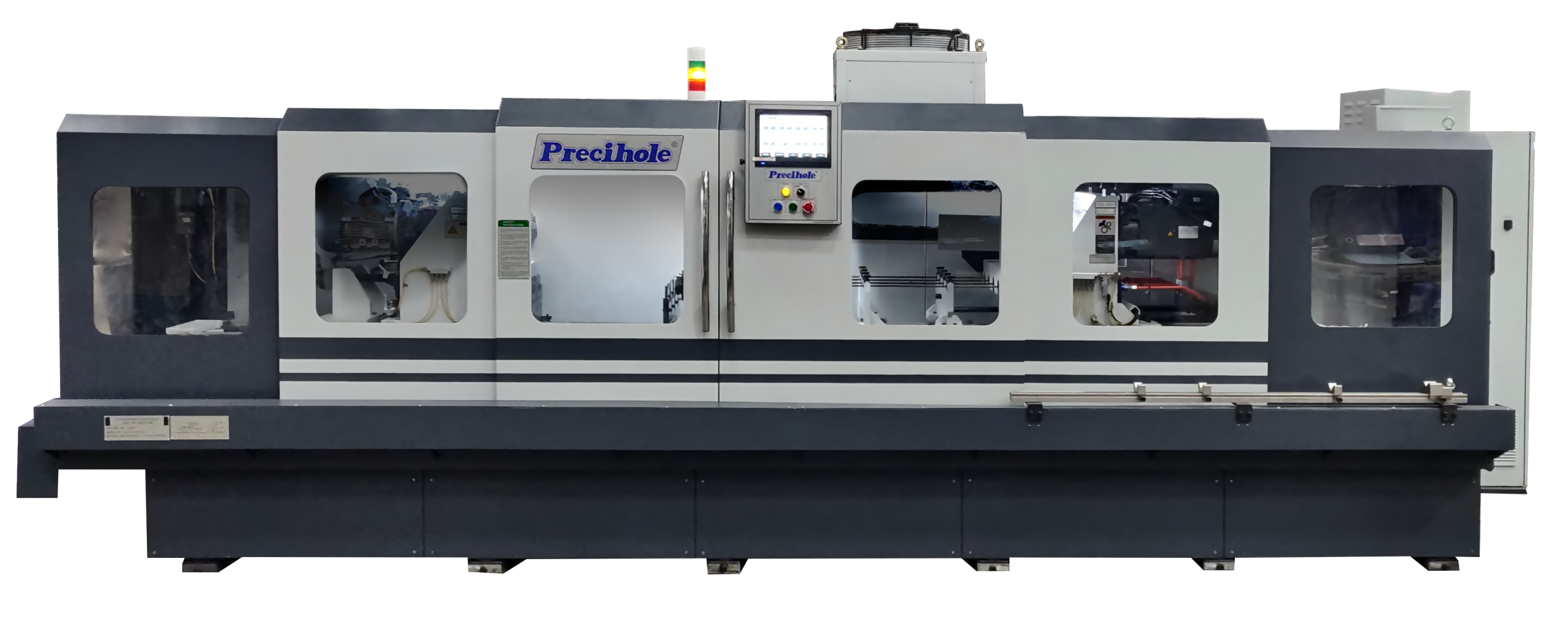
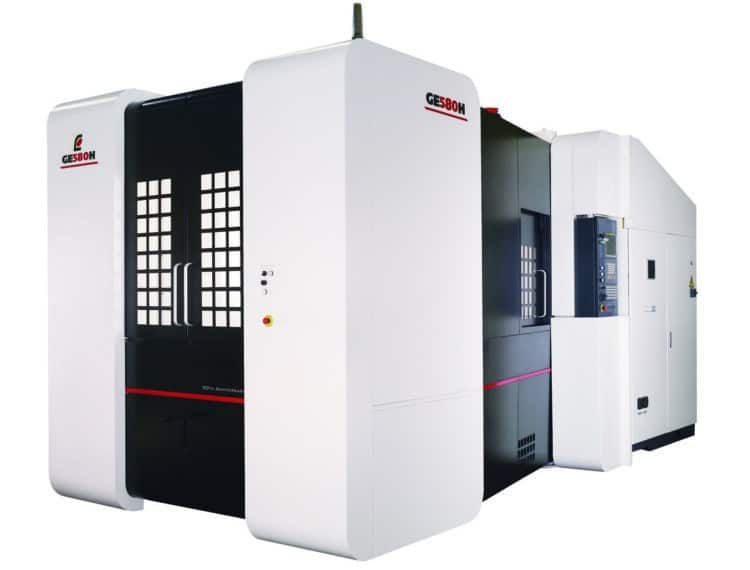
Combination Moving Column & Table-type Designs, 4 – 5-Axes, 400mm – 2500mm Capacities & True Independent Twin Spindle Machines
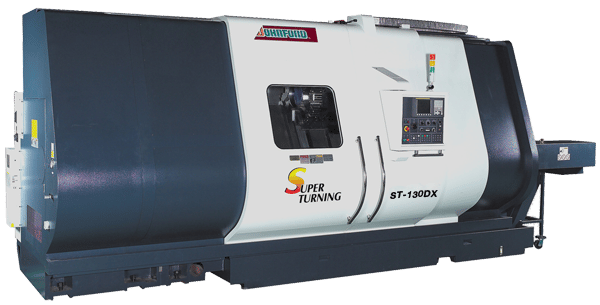
6-10″+ Chucks with Sub-spindles, Multi-turret, Integrated Automation, Pallet Changers, Side Head Machining, Y-Axes, and a variety of ATC Model Lathes
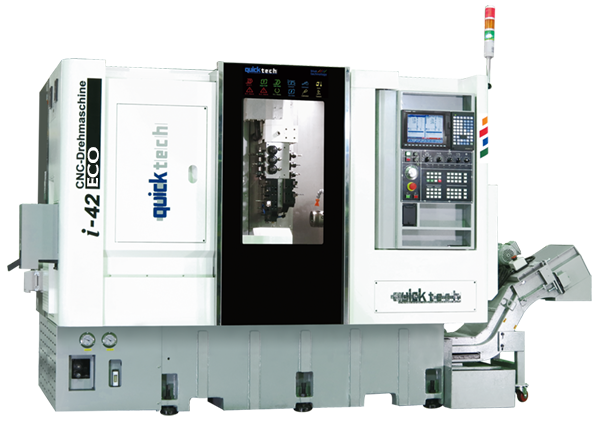
Multi-Slide, Multi-Tasking, Multi-Axis Mill-Turn Centers for Machining Complex Workpieces
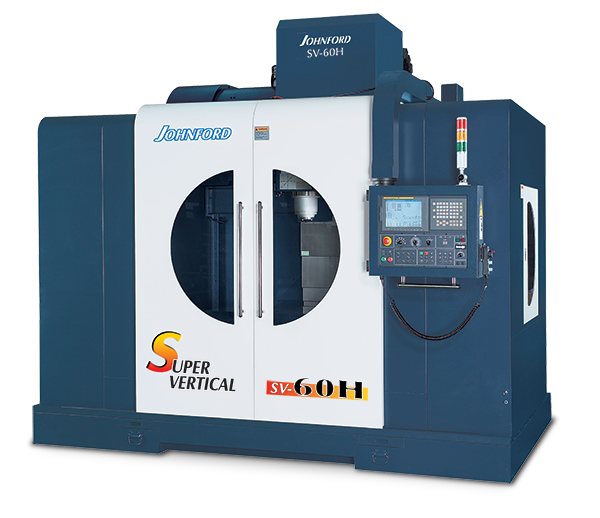
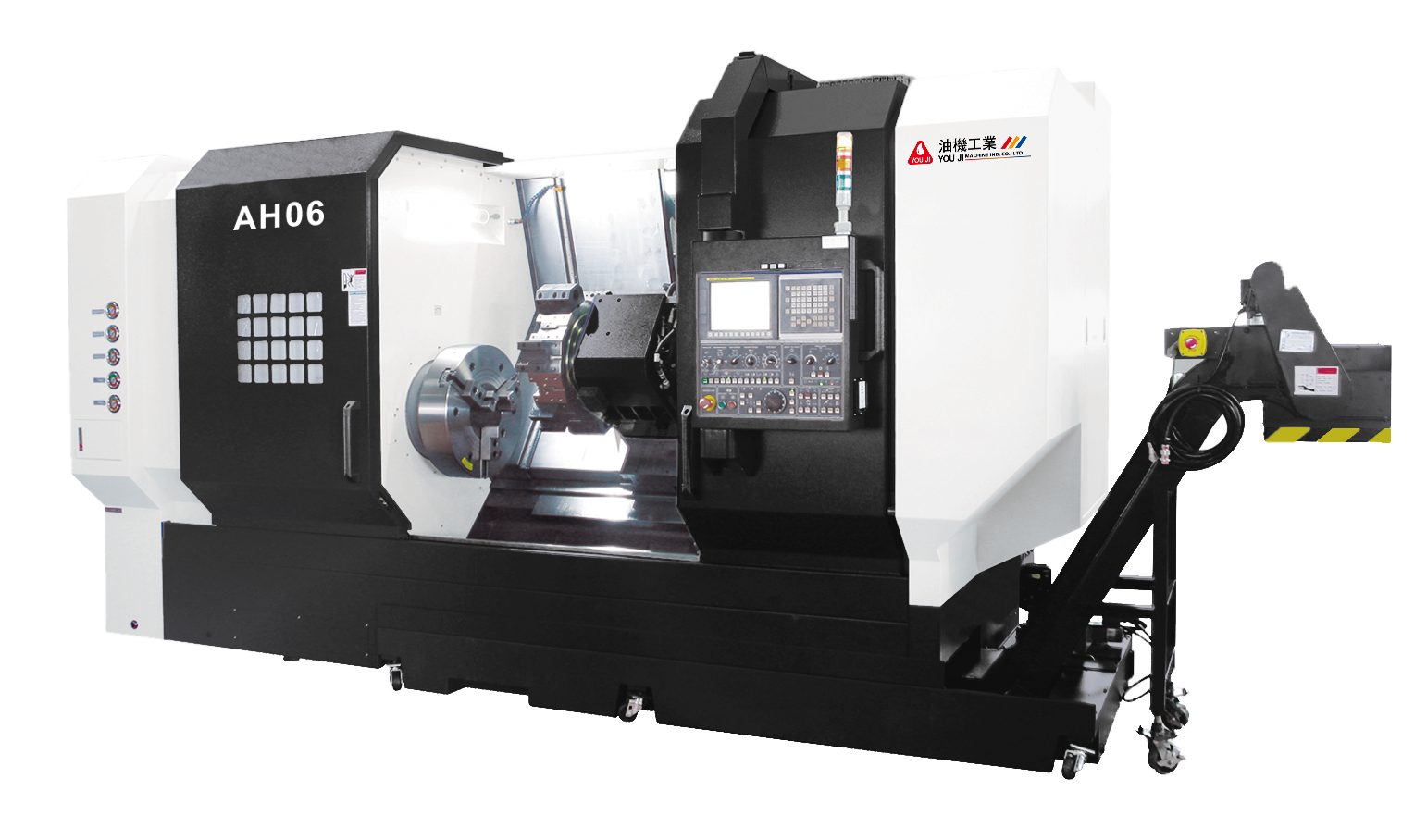
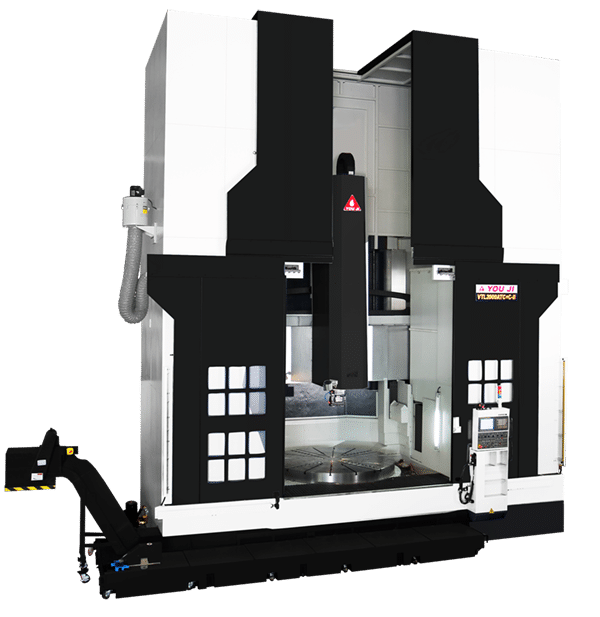
Vertical Turning Centers & Lathes
Automated Pallet Changers, Side-Head Milling, Mill-Turn, Fixed & Movable Rails, Y-Axes, and a variety of ATCs. The You Ji AH Series was specifically designed for Oil Country Applications.
Energy Industry Machining Solutions
American energy infrastructure is undergoing one of its most significant expansions in decades. Grid modernization, a domestic nuclear revival, surging power demand from data centers and AI infrastructure, and continued oil and gas production are all driving manufacturers to add machining capacity. The components at the center of that buildout — turbine shafts, bearing housings, valve bodies, pump housings, downhole drilling tools, and generator components — are large, heavy, made from difficult alloys, and unforgiving of dimensional error.
Most of these parts involve large diameters, deep cavities, or tight-tolerance sealing surfaces that must perform reliably in extreme operating environments. They share a common set of machining demands: high rigidity, large work envelopes, deep cutting capability, and spindle configurations suited to tough materials like Inconel, 4140 chrome-moly, duplex stainless, and titanium.
To support these requirements, energy manufacturers rely on robust CNC machine tools capable of maintaining precision during heavy cutting operations. Large bridge mills and boring mills handle oversized components, vertical turning centers provide stability for large-diameter parts, and advanced machining centers enable efficient multi-face machining. Deep hole drilling and EDM technologies further support specialized applications that require precision drilling and intricate part geometries.
Absolute Machine Tools delivers CNC solutions designed for these challenges, helping manufacturers maintain productivity, accuracy, and reliability when machining energy industry components.
CNC Machines for Energy Manufacturing
Absolute Machine Tools offers a comprehensive range of CNC machine tools designed to support the production of energy industry components.
Johnford Bridge Mills and Boring Mills provide the rigidity and large travel capacities required for machining oversized castings and weldments such as turbine casings, compressor housings, and large structural components used in power generation and oil and gas equipment. The SDMC sliding column series supports table loads exceeding 140,000 lbs, while floor-type and table-type boring mills handle precise large-diameter bore work and large flange faces that bridge mills can’t efficiently reach.
You Ji Vertical Turning Centers and Vertical Lathes are engineered for machining large-diameter rotating components including turbine bearing rings, generator rotor journals, wind turbine main shaft bearings, and gear blanks. Mounting heavy forgings upright uses gravity to assist workholding and reduces setup complexity at scale. You Ji’s lineup handles components from small rings up through parts requiring chucks larger than 300 inches, with hydrostatic bearing models available for finish-turning applications where surface finish is critical.
Deep Hole and Gun Drilling Machines enable manufacturers to produce long, precision bores required for turbine cooling passages, directional drilling tools, hydraulic systems, and other energy components requiring deep, straight holes. Precihole gun drilling machines, which Absolute has represented for over 30 years, reach depth-to-diameter ratios of 100:1 or more while holding straightness within a few thousandths of an inch per foot of depth.
Johnford and You Ji Horizontal Lathes deliver powerful turning capabilities for shafts, pipes, and cylindrical components used in pumps, compressors, and energy production equipment. The Johnford ST series — ranging from the ST-40 through ST-400 — covers the broad range of oil country turned components including drill collars, casing connections, and wellhead bodies that require large-bore spindles and high cutting forces.
Enshu Horizontal Machining Centers provide high-precision multi-face machining for complex energy parts such as gas compression blocks, fracking manifolds, and wellhead components with fluid passages and bolt patterns spanning multiple sides of the workpiece. Rotary pallet capability allows B-axis indexing through all four vertical faces in a single setup, maintaining dimensional relationships between intersecting bores that would shift if the part were repositioned.
AccuteX Wire EDM and Die Sinker EDM Machines allow manufacturers to produce intricate geometries, hardened tooling components, and complex features that are difficult to achieve using conventional machining processes. Both platforms are well suited to energy tooling applications involving heat-resistant alloys and hardened materials where surface integrity and tight tolerances are critical.
Johnford Vertical Machining Centers provide versatile milling capabilities for medium-sized energy components such as valve bodies, housings, and structural components where a bridge mill’s capacity isn’t required but rigidity and accuracy still matter.
QuickTECH Mill-Turn Centers combine turning and milling operations into a single platform, enabling complex energy components — valve bodies, pump housings, and multi-port manifold components — to be completed in fewer setups. Every rechucking between a lathe and a separate milling machine introduces runout that accumulates across operations; completing all operations in one clamping eliminates that risk and maintains concentricity on critical seating surfaces and fluid-flow bores.
Together, these CNC machining solutions provide the power, stability, and precision required to machine demanding energy industry components.
Common Components Manufactured
The energy sector is unusually broad in its machining demands, spanning oil and gas exploration, conventional power generation (natural gas, nuclear and hydroelectric), and the growing renewables space. Each vertical has its own part families: downhole drilling tools and pressure-rated valve bodies in oil and gas; turbine blades, bearing housings, and generator rotor shafts in power generation; gear blanks, nacelle frames, and large-diameter bearing rings in wind energy.
An example of parts and components our CNC machines have been involved in the production and distribution of are as follows:
Oil & Gas
- Guns for exploration and drilling
- Blocks for the fracking industry
- Gas compression blocks and components
- Valves & valve bodies
- Flow regulators
- Repair of hydraulic cylinders
- Turbochargers
Nuclear & Heavy Industrial
- Repair nuclear hydrogen seals and housings
- Repair of turbine bearings
- De-energized tap changers, multi-voltage switches & transformers
Power Generation & Rotating Equipment
- Steam turbines
- Turbine blades
- Generators
- Electric motors
- Pumps
- Power transmission components
- Oil deflectors
Wind Energy
- Gear blanks for wind power generators
- Windmill bearings
- Bearings supporting 20″ OD shafts weighing as much as 20,000 lbs
What these applications share is that most components operate under sustained mechanical stress, high pressure, or elevated temperature — conditions that require dimensional accuracy and extreme sustainability from the machined part, not just an adequate surface finish.
Absolute Machine Tools has supported the production of all of these component families, from gas compression blocks and fracking manifolds to nuclear hydrogen seals and bearings supporting 20,000 lb shaft loads.
Why Energy Manufacturers Choose Absolute Machine Tools
Absolute Machine Tools has supported energy sector manufacturers for over 35 years with advanced CNC technology, experienced applications engineering, and responsive service support. As a 100% employee-owned company, every member of our team has a personal stake in your success — from the applications engineers who work with you before the sale to ensure the machine is correctly specified for your parts and materials, to the factory-trained service technicians operating from four U.S. technology centers who keep your equipment running after installation. With nearly $20M in spare parts inventory on hand domestically, unplanned downtime doesn’t have to mean waiting weeks for a component to clear customs.
Ready to Add CNC Machining Capacity for Energy Components?
Whether you’re expanding capacity for turbine components, investing in oil country turning capability, or evaluating your first vertical turning center, our applications engineers are ready to help you identify the right machine for your parts, materials, and budget. Contact us today or request a quote to get started.